CRES
ENHRDESLPL
Cres · Kvarner · Croatia
Cres.travel
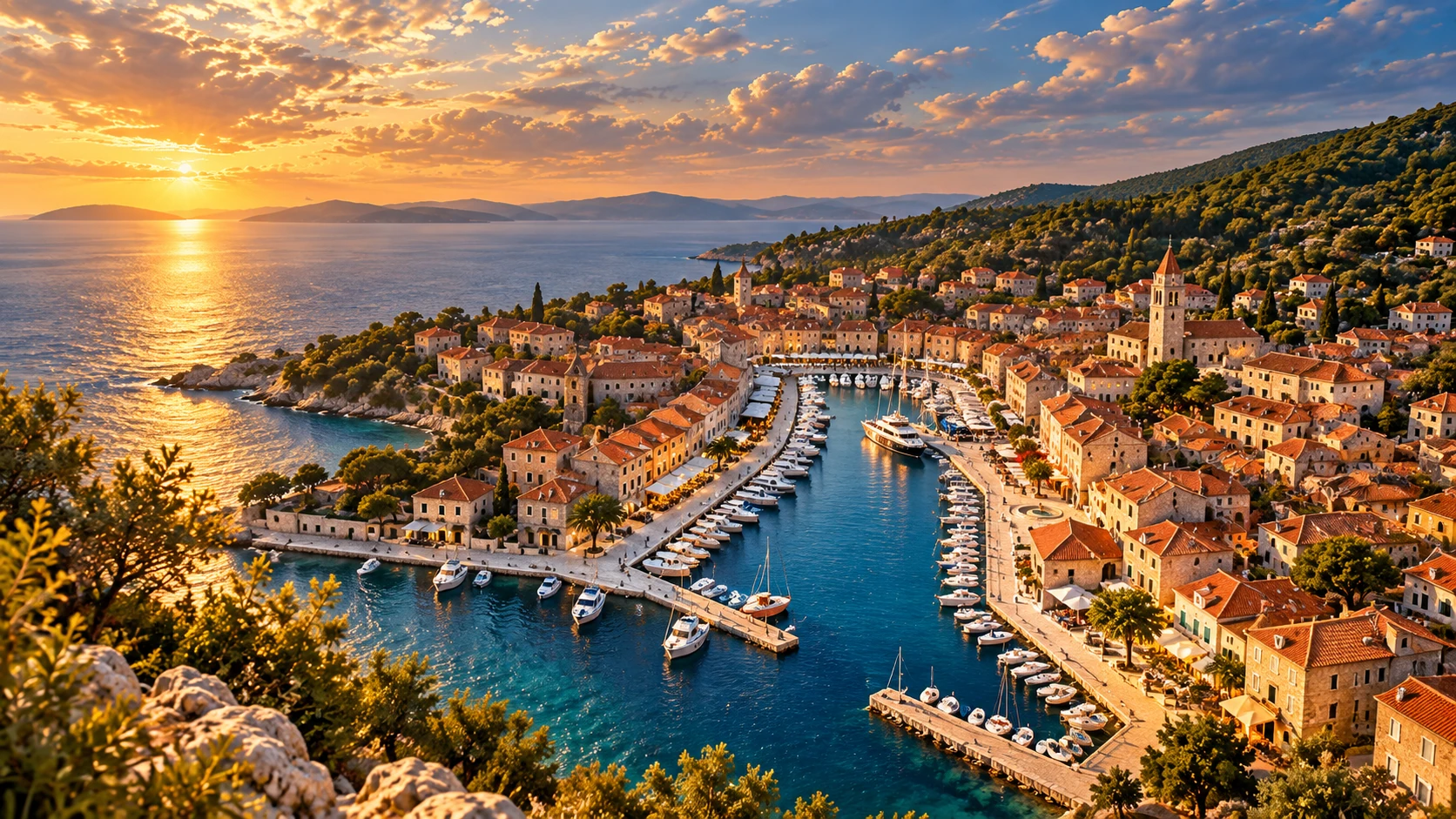
Editorial illustration inspired by stone village of Lubenice above the Adriatic on Cres island
Cres · Kvarner · Croatia

THE ADRIATIC,
STILL WILD.

Enter the island ↓44.96° N · 14.41° E
An island of stone villages, griffon vultures, quiet coves and long roads through sage, oak and karst. Come for the sea. Stay for the silence.
01
International recognition · August 2026

Seen abroad. Still unmistakably itself.

The Guardian’s late-August 2026 feature is useful not because it defines Cres, but because it confirms the island’s own strengths: wildness, living villages, wildlife and clear Adriatic water. Read the feature ↗
Positioning

THE ADRIATIC,
STILL WILD.

Cres does not need to pretend to be glamorous. Its premium value is space, silence, nature, stone and the feeling that the island still belongs to itself.

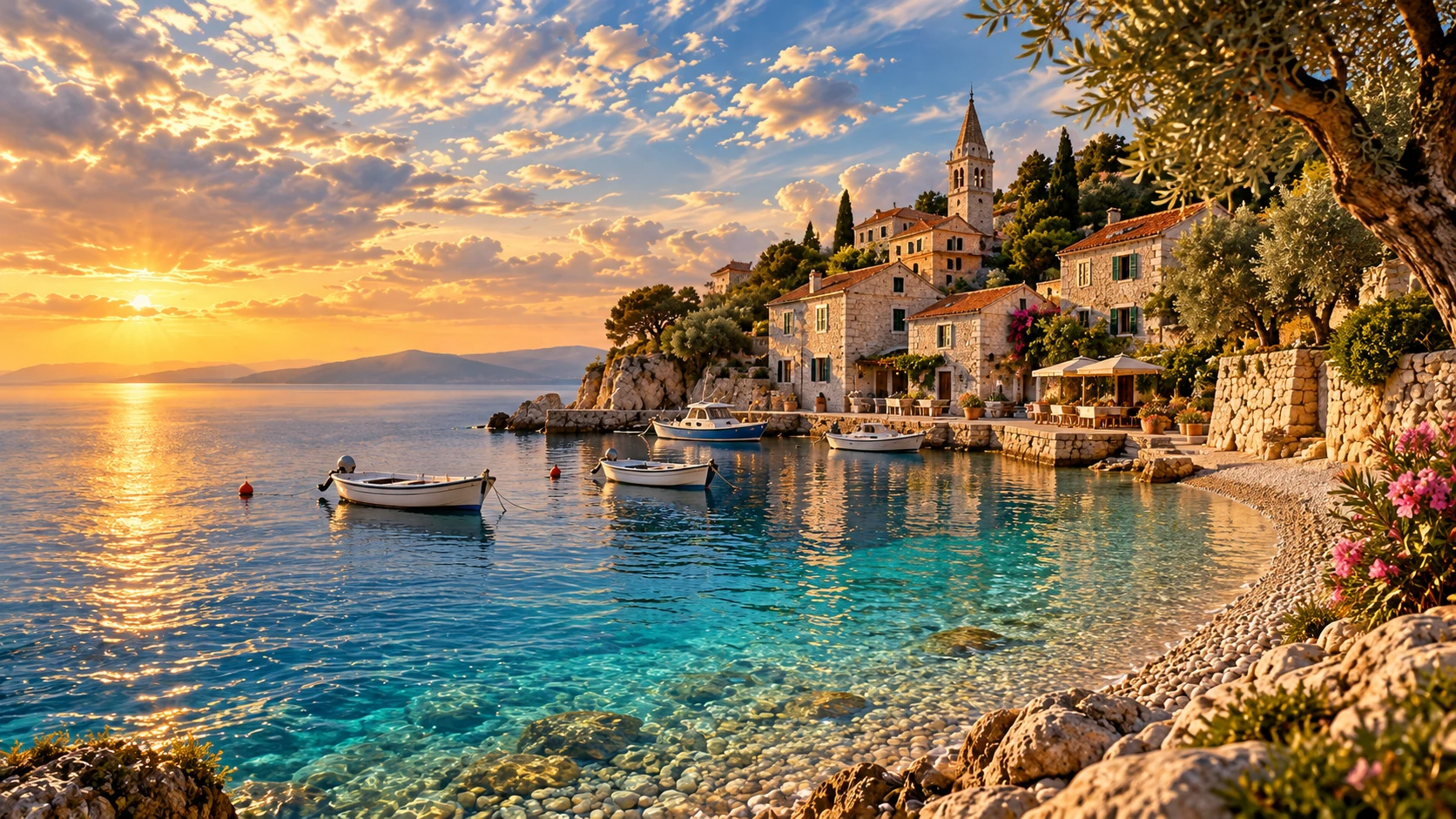
Editorial illustration of the wild Cres coastline above the Adriatic
An island of distance

Between limestone
and open water.

Cres rewards the traveller who leaves room for the road, the weather and the unexpected cove.
The island story

Cres does not reveal itself all at once. The road narrows. The villages grow smaller. The sea appears, disappears, then returns below a cliff.
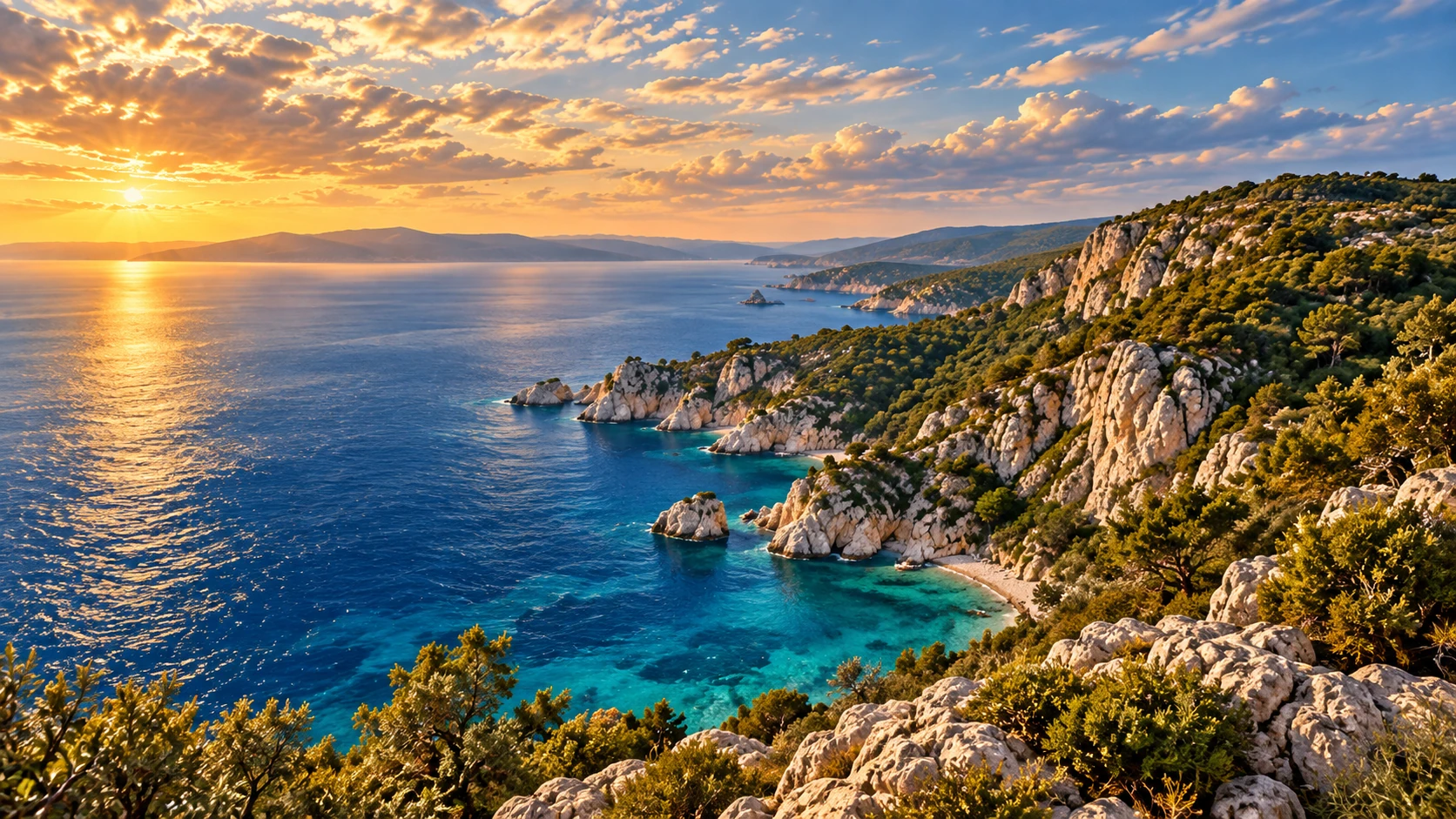
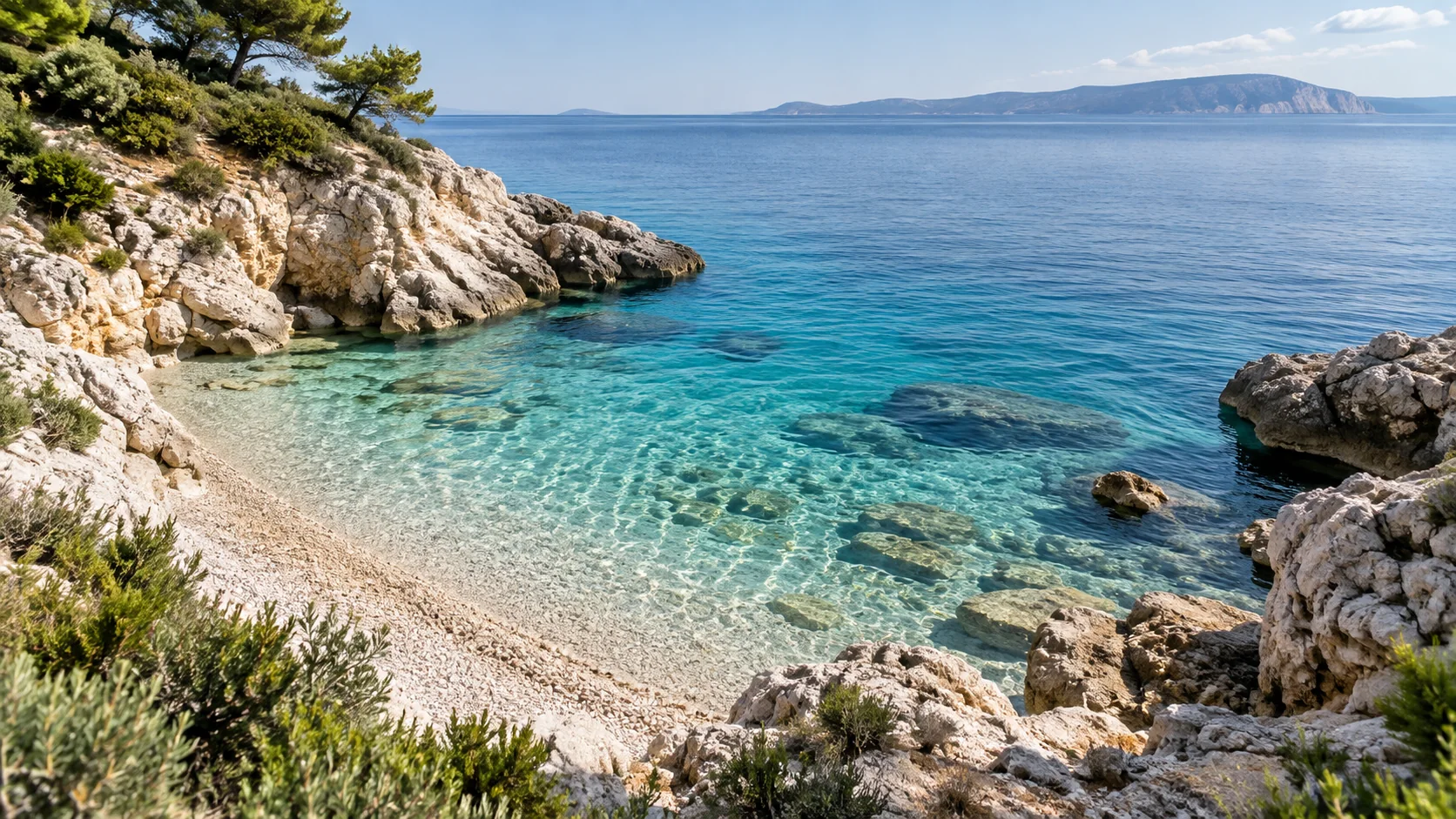
Editorial illustration inspired by rugged eastern coast near Orlec on Cres island
East coast near Orlec · Cres
Chapter 01 · Distance

An island that keeps something back.

Cres rewards people who are willing to move a little slower. Its geography creates the experience: wooded north, exposed karst, old villages, sheep country, deep coves and a coastline that is often best approached on foot or from the sea.

The point is not to “do” Cres quickly. It is to let the island change the pace of the trip.

Here, distance is not an inconvenience. It is part of the luxury.
Chapter 02 · Lubenice

Stone above blue.

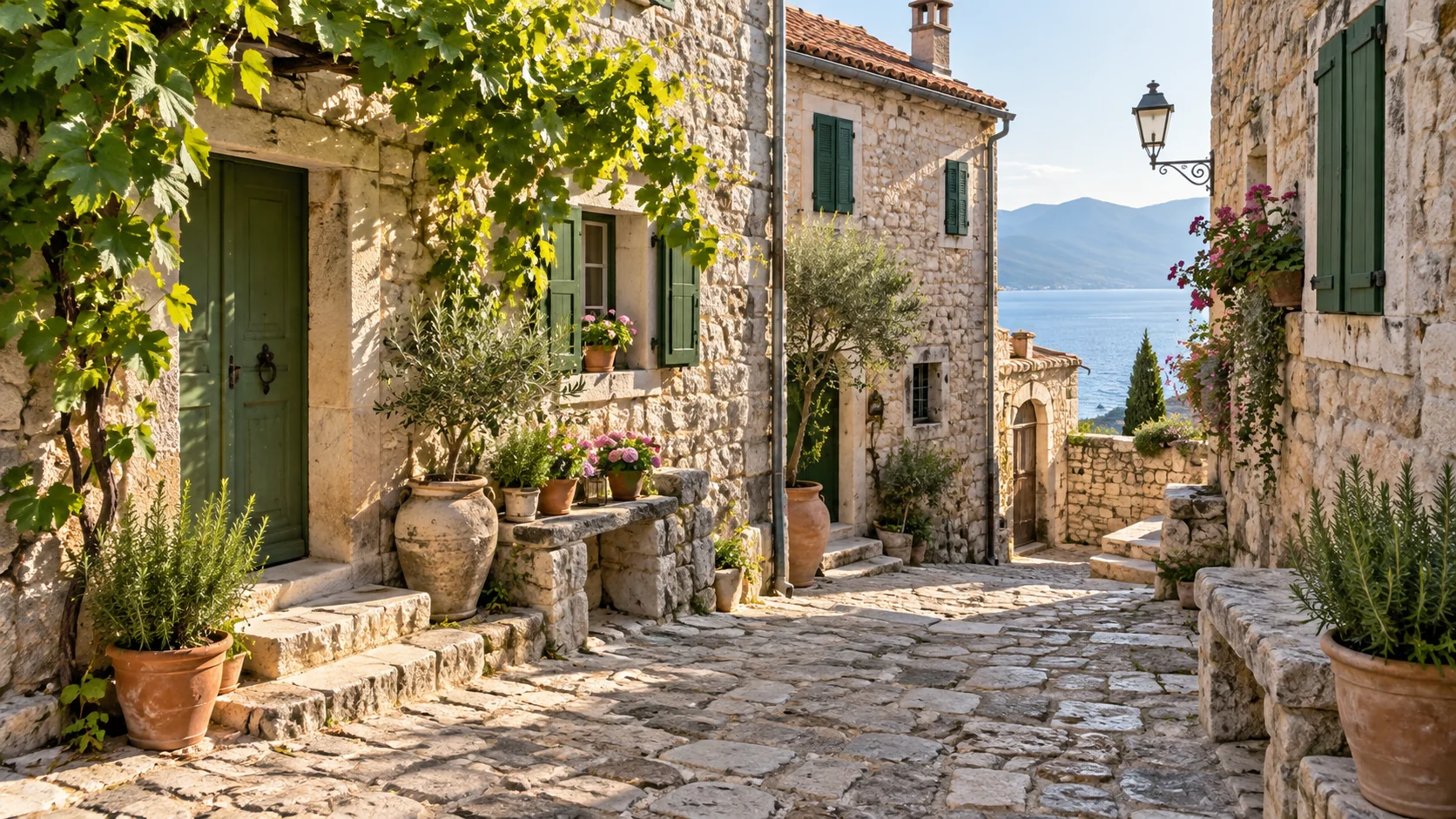
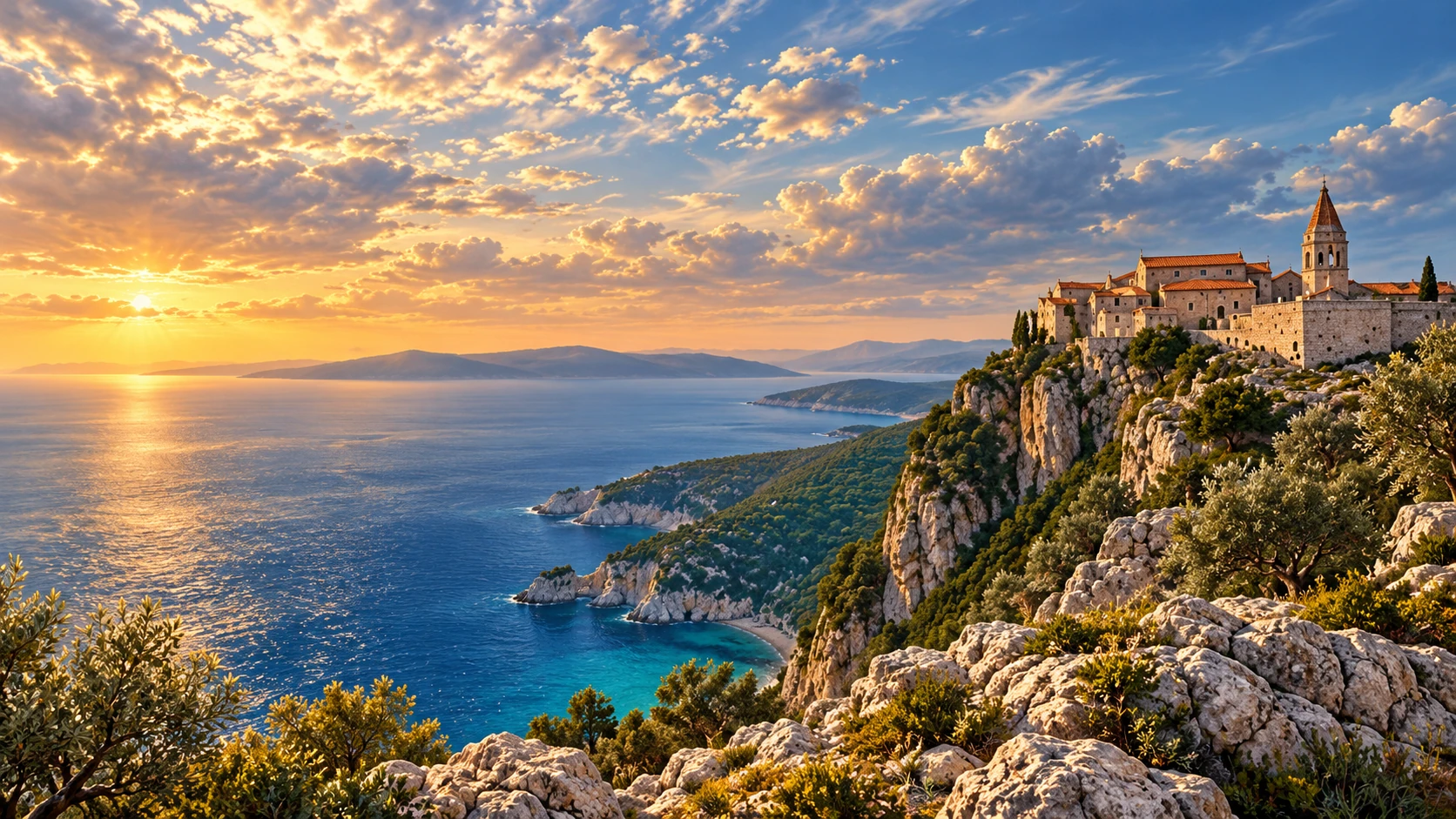
Lubenice stands high over the western coast: a compact settlement of stone, paths and wide horizons. Below it, the island falls toward the Adriatic and the beaches around the Lubenice coast.

It is one of those places where Cres becomes instantly legible: geology, settlement and sea in a single frame.

Discover Lubenice →
Editorial illustration inspired by lubenice stone architecture on Cres
Lubenice · western Cres
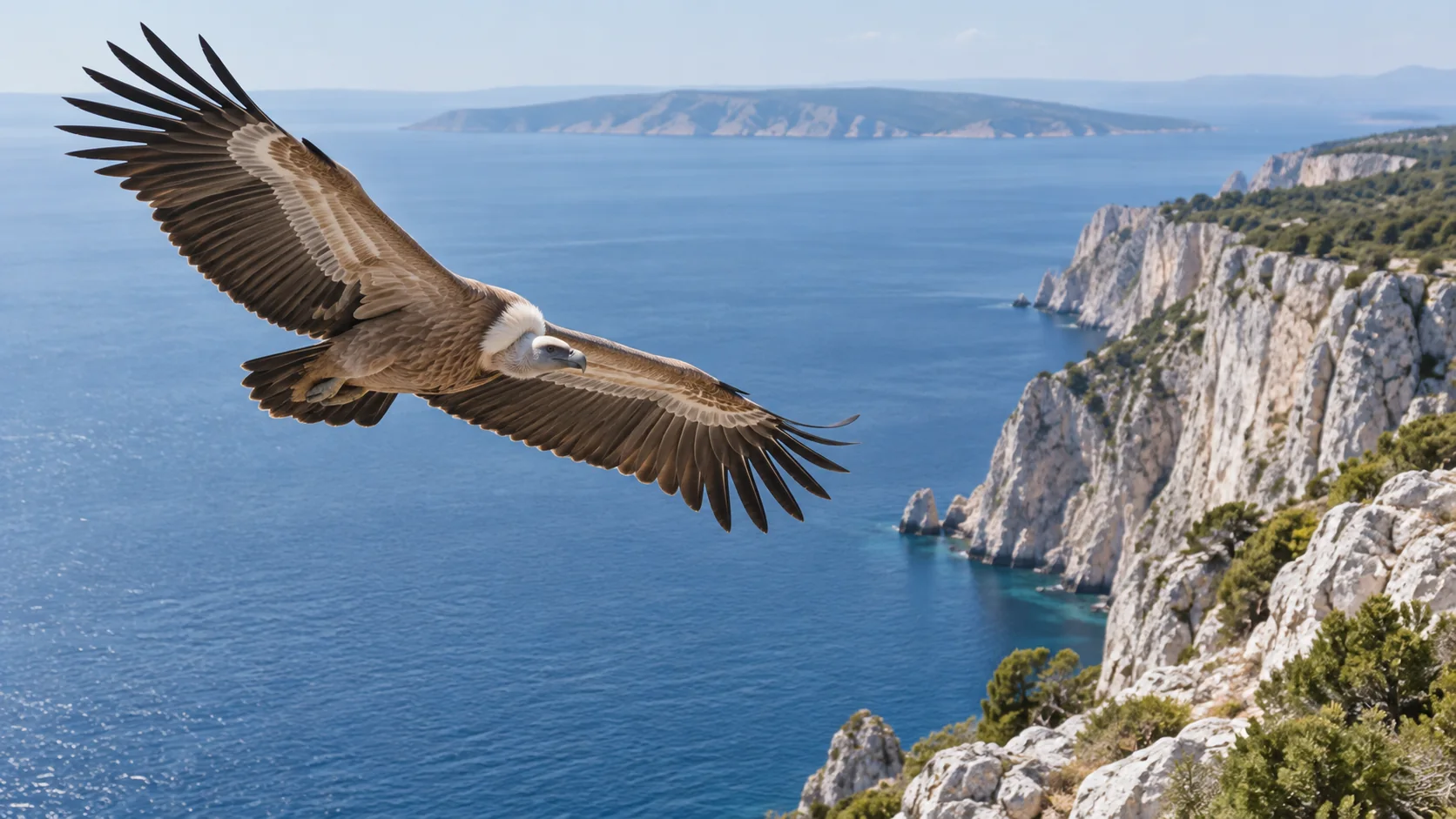
Editorial illustration inspired by griffon vulture on Cres island
Griffon vulture · Cres
Chapter 03 · Beli & the sky

Look up.

Cres is one of the remaining Croatian habitats of the griffon vulture. The official Cres tourism site notes an extraordinary local detail: this population nests on cliffs immediately above the sea.

In Beli, the Visitor Centre and Rescue Centre for Griffon Vultures adds conservation, education and rehabilitation to the island story.

Meet wild Cres →
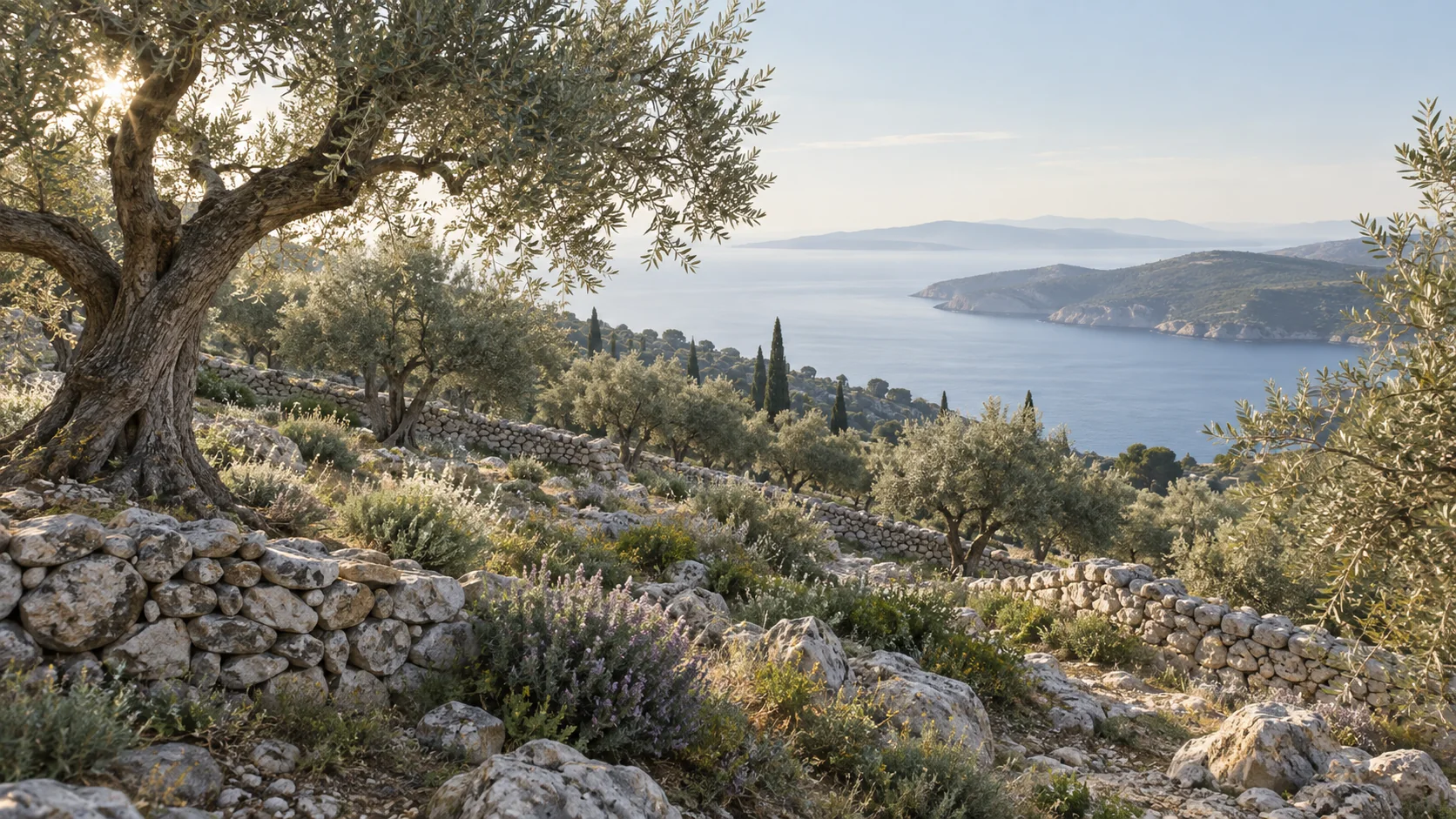
Editorial illustration inspired by olive terraces and stone walls on Cres
Olive country · Cres
Chapter 04 · Olive country

The quieter wealth.

Some of the island’s strongest luxury has almost no spectacle: old olive trees, dry-stone walls, herbs in the morning air and the slow geometry of terraces above the sea.

This is the Cres we needed more of — not louder, simply more precise.

Chapter 05 · The table

Taste should feel local.

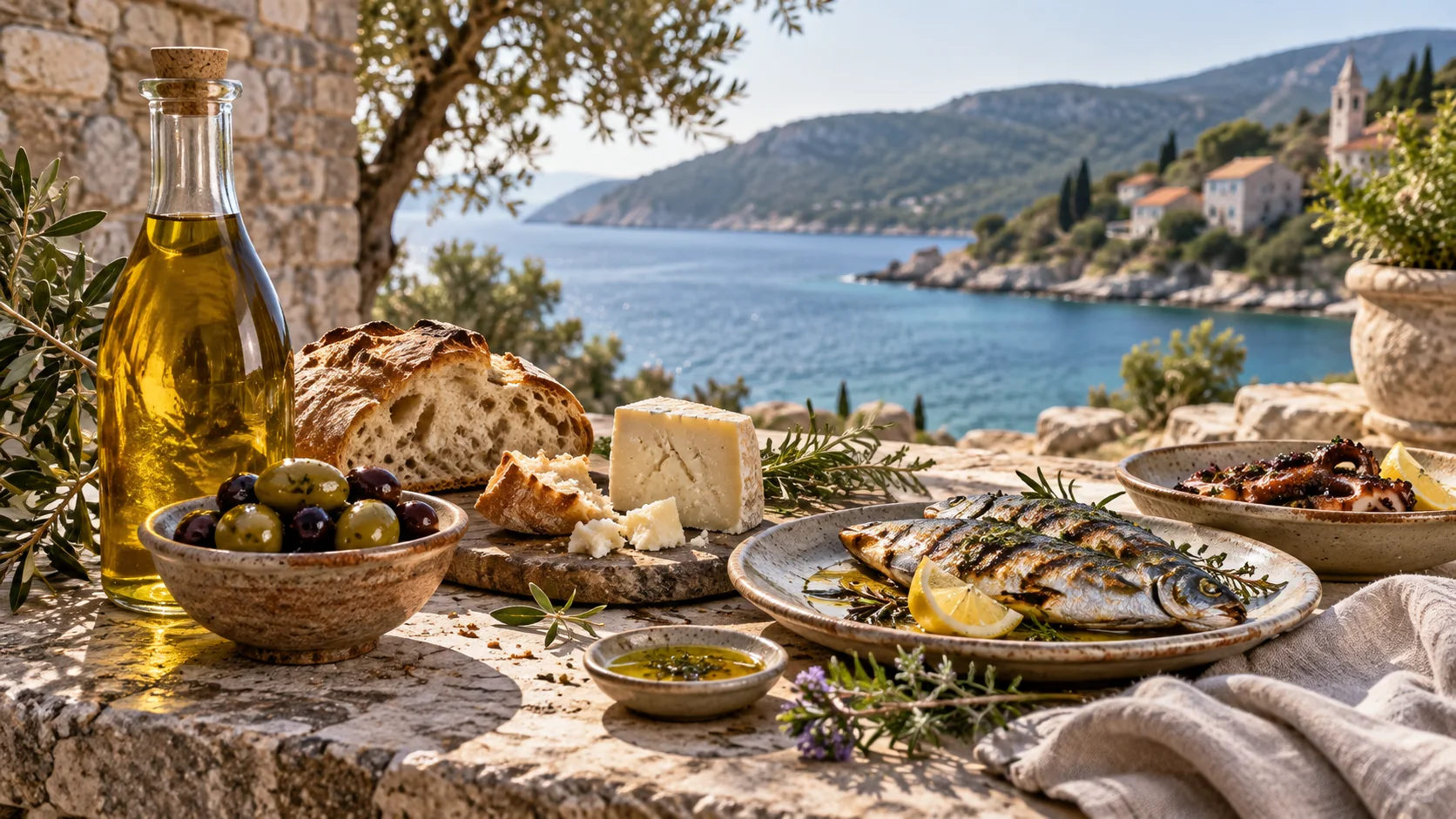
Cres is strongest at the table when it stays close to provenance: olive oil, fish, sheep cheese, bread, herbs and cooking that does not hide the island behind performance.

Local value becomes visible when the destination tastes like itself.

Editorial illustration inspired by local Cres olive oil, fish, olives and cheese by the sea
Cres table · olive oil, fish, cheese
Cres in numbers

Useful facts, not marketing decoration.

~300 kmof marked hiking trails listed by Visit Cres
1,400+plant species referenced by the official destination site
20 minBrestova–Porozina ferry crossing listed by Jadrolinija
25 minValbiska–Merag ferry crossing listed by Jadrolinija

Sources: Visit Cres and Jadrolinija. Sailing schedules can change; verify before travel.

Four seasons

The island changes. That is the reason to return.

01

Spring

Green paths, herbs, walking weather and quieter roads.

02

Summer

Swim, sail, paddle and build the day around the sea.

03

Autumn

Warm light, slower villages, cycling and long lunches.

04

Winter

The austere island: wind, stone, empty lanes and local rhythm.

Find your season →
48 hours

A weekend with room to breathe.

Day 01
Arrive slowly.
  1. Ferry into Cres
  2. Settle in Cres town
  3. Old streets & harbour
  4. Local dinner
Day 02
Go wild.
  1. Beli & the vulture story
  2. Island road south
  3. Valun or Lubenice
  4. Sunset over the west coast
Day 03
Follow the sea.
  1. Morning walk
  2. Hidden cove or swim
  3. Long lunch
  4. Ferry home — reluctantly
Open the full itinerary →
The positioning
Not another Croatian island.
The Adriatic, still wild.

Cres.travel is designed around the island’s strongest defensible identity: space, nature, living settlements, wildlife and the feeling that discovery has not been fully industrialised.

Useful answers

Before you cross.

How do you get to Cres island?

The principal car-ferry gateways are Brestova–Porozina from Istria and Valbiska on Krk–Merag on Cres. Jadrolinija currently lists crossing times of about 20 minutes and 25 minutes respectively. Check the live seasonal timetable before travelling.

What is Cres best known for?

Its rugged Adriatic landscape, historic settlements such as Cres town, Lubenice, Beli and Valun, natural pebble beaches, walking trails, olive oil and the island’s griffon vultures.

When should I visit?

Choose summer for swimming and classic island life. Spring and autumn are especially attractive for walking and cycling; the official destination site specifically recommends those seasons for cycling because temperatures are milder.

Where can I learn about griffon vultures?

Visit Beli in the north of Cres and the Beli Visitor Centre and Rescue Centre for Griffon Vultures.

Cross the water.
Keep going.

Plan Cres →